How Different Nationalities Relax After Work – and How Business Really Happens Outside the Office
Many people believe that business decisions are made in boardrooms, through formal meetings, or via carefully written emails. In reality, a significant number of important decisions are shaped outside the office – during shared meals, social activities, and informal gatherings.
Across cultures, trust is rarely built through contracts alone. It develops through human connection. Understanding how different nationalities relax after work helps professionals navigate cultural differences, build rapport, and create meaningful relationships that directly influence business outcomes. To improve cultural awareness and brush up on other business-related topics, check out my Udemy Business English course.
Northern Europe: Quiet Connection and Equality
Finland: Sauna Culture and Trust
In Finland, the sauna is a deeply respected social space. Colleagues, executives, and business partners may attend together. This is not considered intimate or inappropriate – it represents equality and openness.
Key characteristics:
- Hierarchy disappears in the sauna
- Conversations are honest but not forced
- Silence is normal and comfortable
- An invitation is a sign of trust
Declining without explanation may be interpreted as emotional distance.
Germany: Structured Relaxation
In Germany, informal business interactions often take place in calm, organized settings.
Common after-work activities:
- Dinner at a restaurant
- Coffee and cake (Kaffee und Kuchen)
- Beer at a pub or beer garden
Even in relaxed environments, punctuality, clarity, and respect for personal boundaries remain important.
Scandinavia: Balance and Simplicity
In Sweden, Norway, and Denmark, work-life balance is strongly protected.
Popular informal settings include:
- Coffee breaks (fika in Sweden)
- Casual dinners
- Outdoor walks or light hikes
Modesty and authenticity are valued. Aggressive networking is often seen as insincere.
East Asia: Group Harmony and Shared Experiences
Japan: After-Work Socializing (Nomikai)
In Japan, after-work gatherings are essential for relationship-building.
Typical activities:
- Group dinners
- Drinking sessions
- Karaoke
These environments allow for more open conversation than formal meetings. Participation matters more than alcohol consumption.
South Korea: Bonding Through Participation
In South Korea, team cohesion is critical.
Common practices include:
- Shared meals
- Drinking rituals
- Karaoke (noraebang)
You don’t need to sing well – participation signals loyalty and respect for the group.
China: Guanxi and Long-Term Trust
In China, business relationships are built slowly through repeated social interactions.
Informal settings often include:
- Long meals or banquets
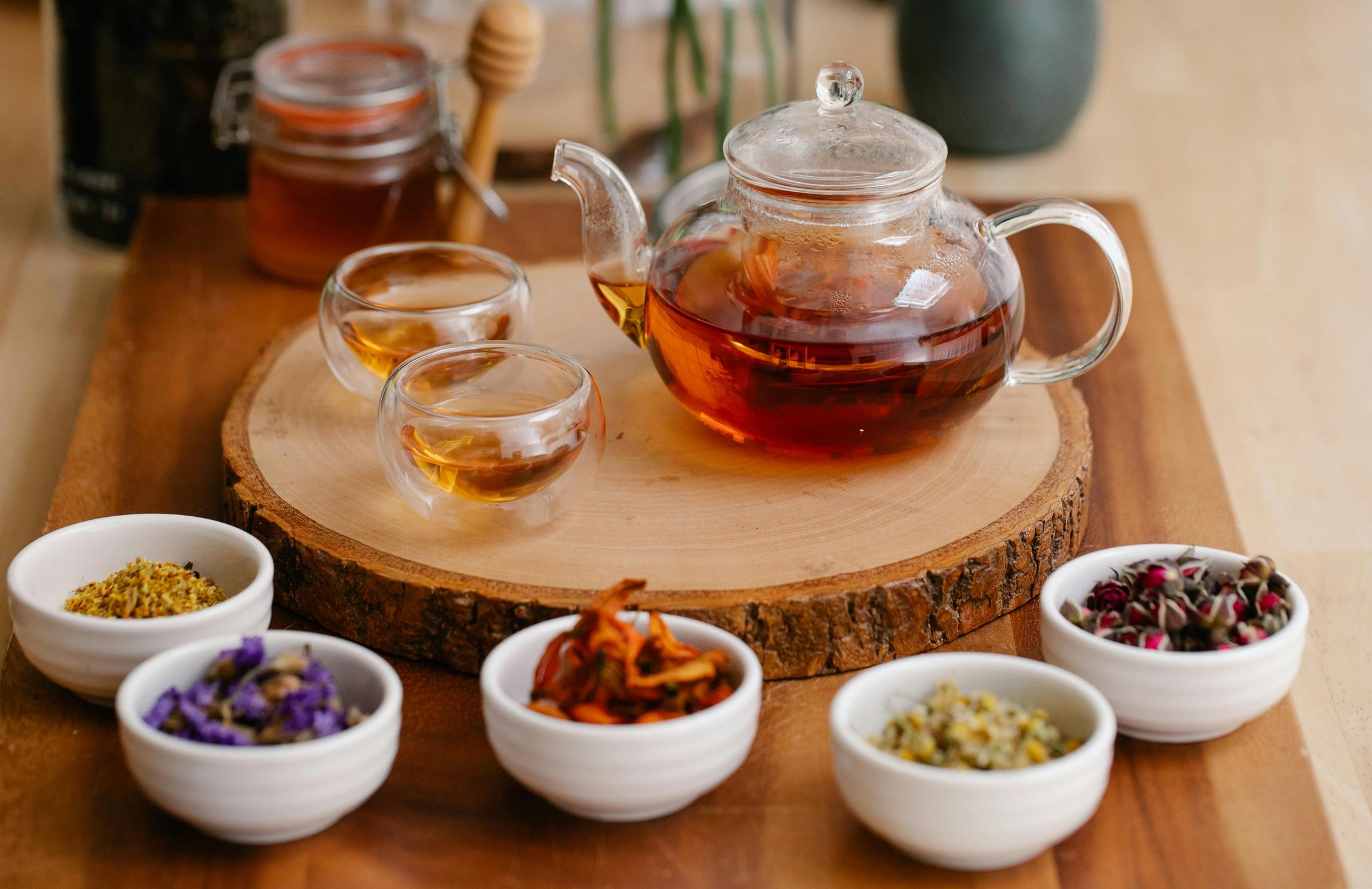
- Tea drinking
- Occasional karaoke
The concept of guanxi emphasizes trust, reciprocity, and long-term commitment over quick results.
Southeast Asia: Politeness and Social Harmony
In countries such as Thailand, Vietnam, and Indonesia, informal business settings focus on maintaining harmony.
Typical environments:
- Group meals
- Coffee meetings
- Social gatherings
Avoid confrontation or pressure. Politeness, patience, and emotional awareness are highly valued.
Middle East and Gulf Countries: Hospitality Before Business
In Gulf cultures, hospitality forms the foundation of professional relationships.
Common informal settings:
- Arabic coffee (gahwa)
- Tea and sweets
- Majlis gatherings with extended conversation
Important cultural norms:
- Business is discussed gradually
- Personal topics come first
- Rushing is considered disrespectful
- Alcohol is generally avoided
Trust is built through time, presence, and consistency.
Southern Europe: Food, Emotion, and Connection
Italy and Spain: Social Dining
In Italy and Spain, business relationships are strengthened through shared meals.
Common settings:
- Long lunches
- Late dinners
- Coffee or espresso meetings
Personal chemistry matters. Expressiveness and emotion are normal and appreciated.
France: Etiquette and Conversation
In France, informal business often takes place during meals but follows social rules.
Key elements:
- Attention to etiquette
- Intellectual conversation
- Cultural awareness
Demonstrating thoughtfulness builds credibility.
Greece: Community and Conversation
In Greece, trust is built through repetition and presence.
Popular meeting spots:
Relationships develop naturally through conversation and shared time.
Anglo-Saxon Cultures: Casual Networking with Clear Boundaries
In the United States, the United Kingdom, Canada, and Australia, informal business is often direct and structured.
Common settings:
- After-work drinks
- Networking events
- Sporting events
- Golf outings
Golf, in particular, plays a significant role in senior-level networking. While friendly, boundaries between work and personal life remain clear.
Latin America: Warmth and Personal Bonds
In Latin American cultures, business is deeply personal.
Common informal interactions:
- Long dinners
- Social gatherings
- Coffee or drinks after work
Key cultural values:
- Warmth and humor
- Emotional connection
- Time spent together
Declining social invitations too often may damage trust.
South Asia: Respect and Relationship-Building
In India and neighboring countries, informal business interactions are closely tied to hospitality.
Common settings:
- Shared meals
- Festivals and celebrations
- Family or social events
Respect for hierarchy, age, and tradition is essential. Trust grows gradually and often through personal recommendations.
What Global Professionals Should Remember
- Many business decisions happen outside formal meetings
- Informal settings reveal character, values, and trustworthiness
- Cultural awareness reduces misunderstandings
- Relationship-building often comes before results
- Adapting respectfully is more important than imitation
Bottom Line
In a global business environment, success depends on more than technical skills or presentations. Whether it’s a sauna in Finland, karaoke in Seoul, tea in Dubai, a long lunch in Italy, or a round of golf in London, understanding how people relax after work helps you understand how they do business.
Learning to navigate these informal spaces with curiosity and respect can open doors that formal meetings never will.