



Working Memory: How to Improve It for English Learning
Learn how to improve working memory for English learning with practical exercises to remember vocabulary, process spoken English, and speak more fluently.
There’s a lot of noise around AI in education.
Some people think ChatGPT will replace teachers. Others dismiss it as a glorified homework machine. I sit somewhere in the middle. I don’t use AI to teach my lessons. I use it to make my lessons more engaging, more personalised, and much more memorable.
Here are five ways ChatGPT has become my teaching assistant.
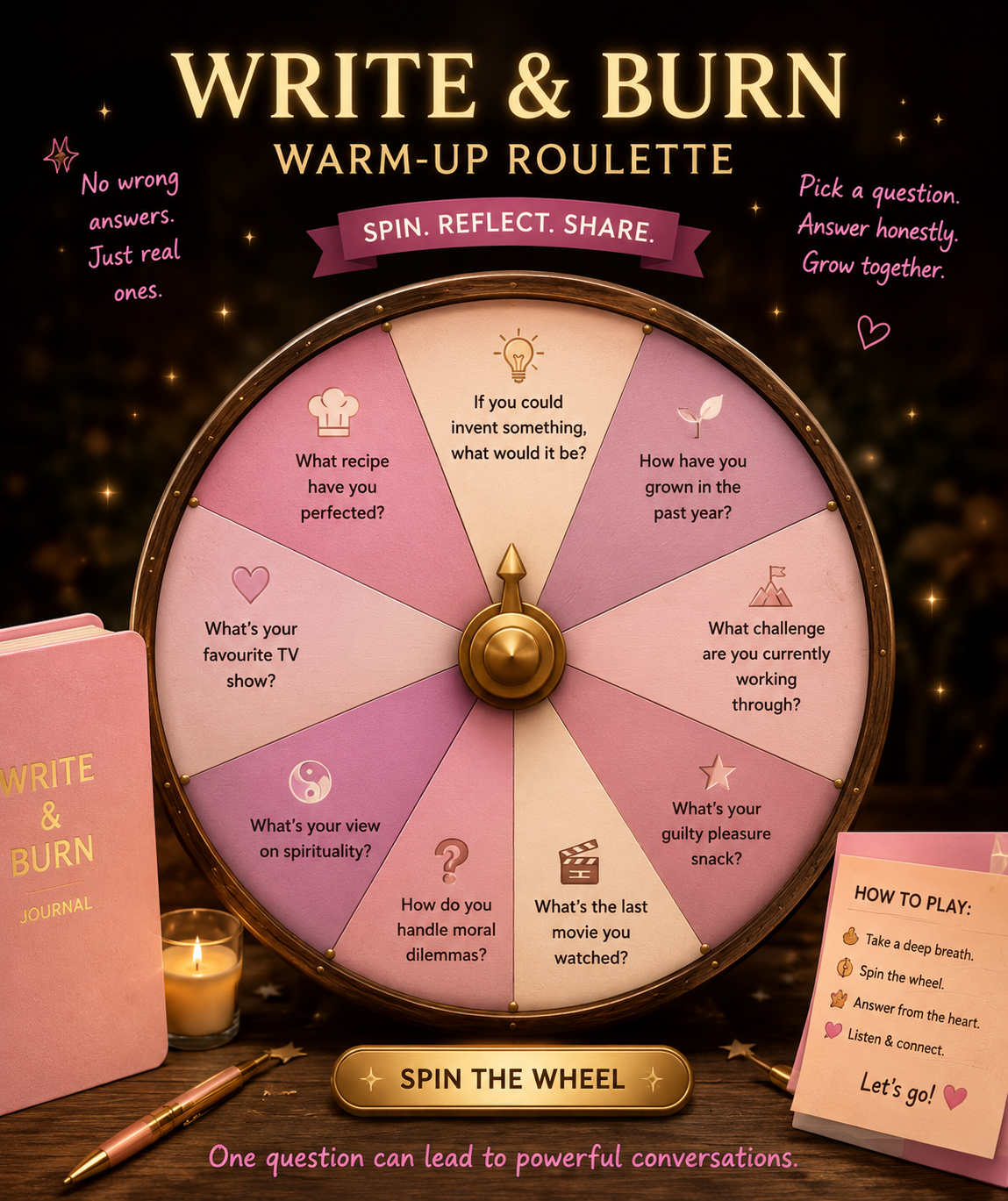
One of my favourite classroom activities came from the most unexpected place: a souvenir shop.
I spotted a “Write and Burn” journal filled with thought-provoking prompts and immediately wondered whether ChatGPT could create something similar for my students. It could, and the results were brilliant.
Questions like “What mistake taught you the biggest lesson?” or “What’s a dream you’ve never told anyone about?” often lead to fascinating discussions.
A word of caution, though. I use these mainly with higher-level students. They’re not ideal for beginners or naturally quiet learners. I’ve also found they work better at the end of the lesson, once students have relaxed and are ready for deeper conversations.
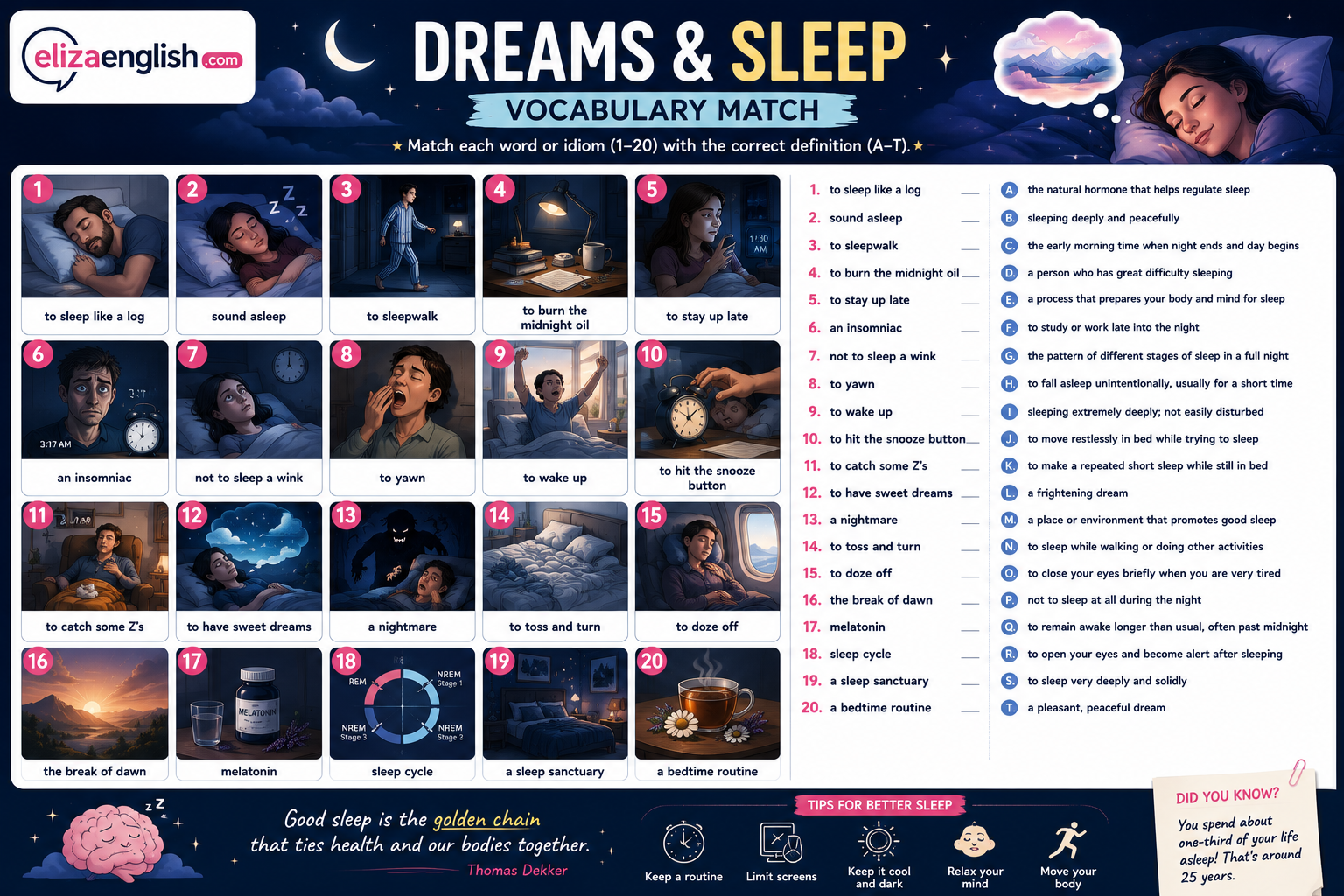
When introducing a new topic, I often prepare a visual vocabulary sheet with ChatGPT’s help.
I choose the words, idioms, and collocations myself because I know what my students need. Then I ask ChatGPT to turn them into an attractive visual resource.
Bright colours and eye-catching layouts make a surprising difference. Students engage with the material more enthusiastically and remember the vocabulary better. I’ll admit it, I also enjoy creating these resources because each one is tailored to a particular student or group.
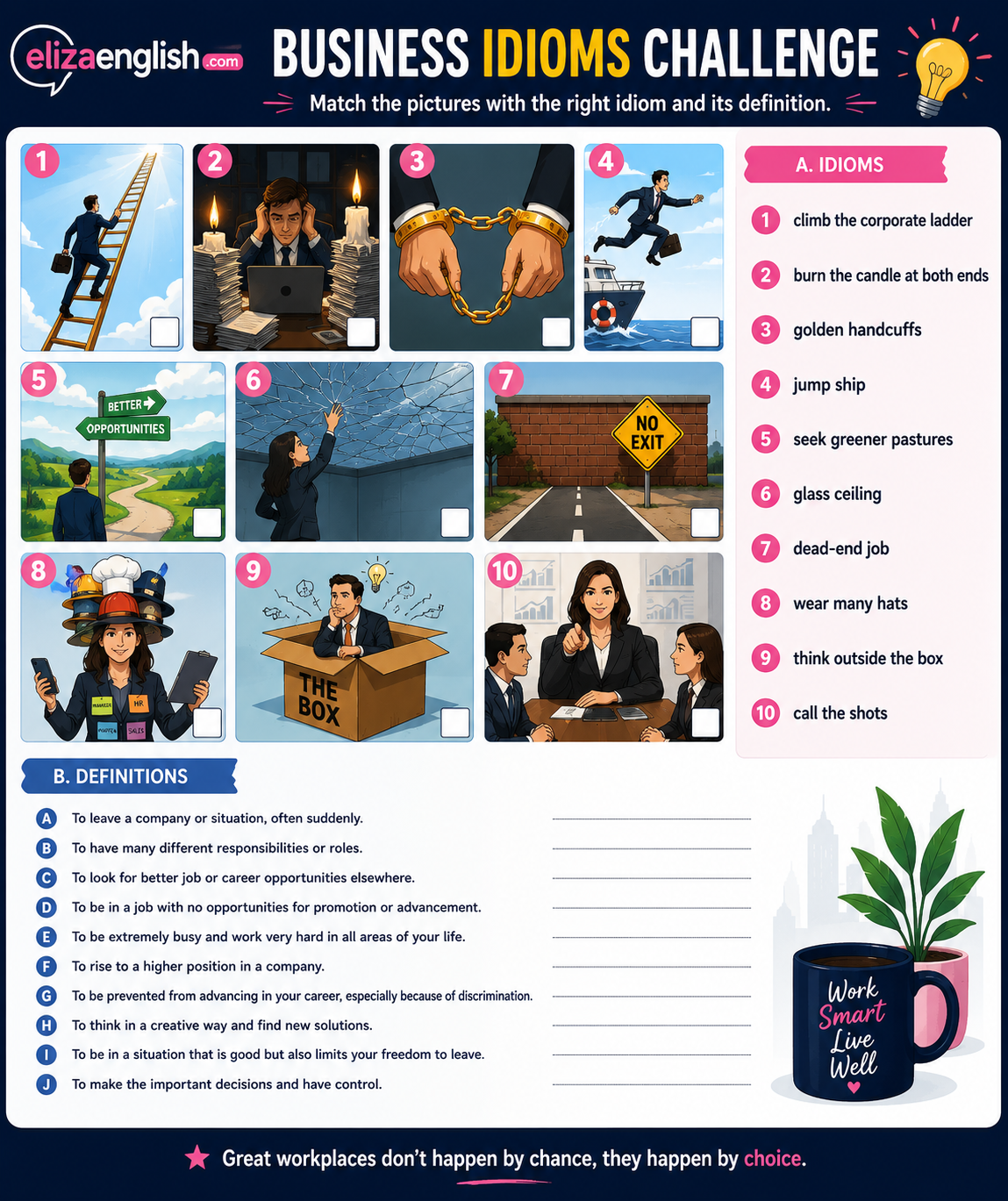
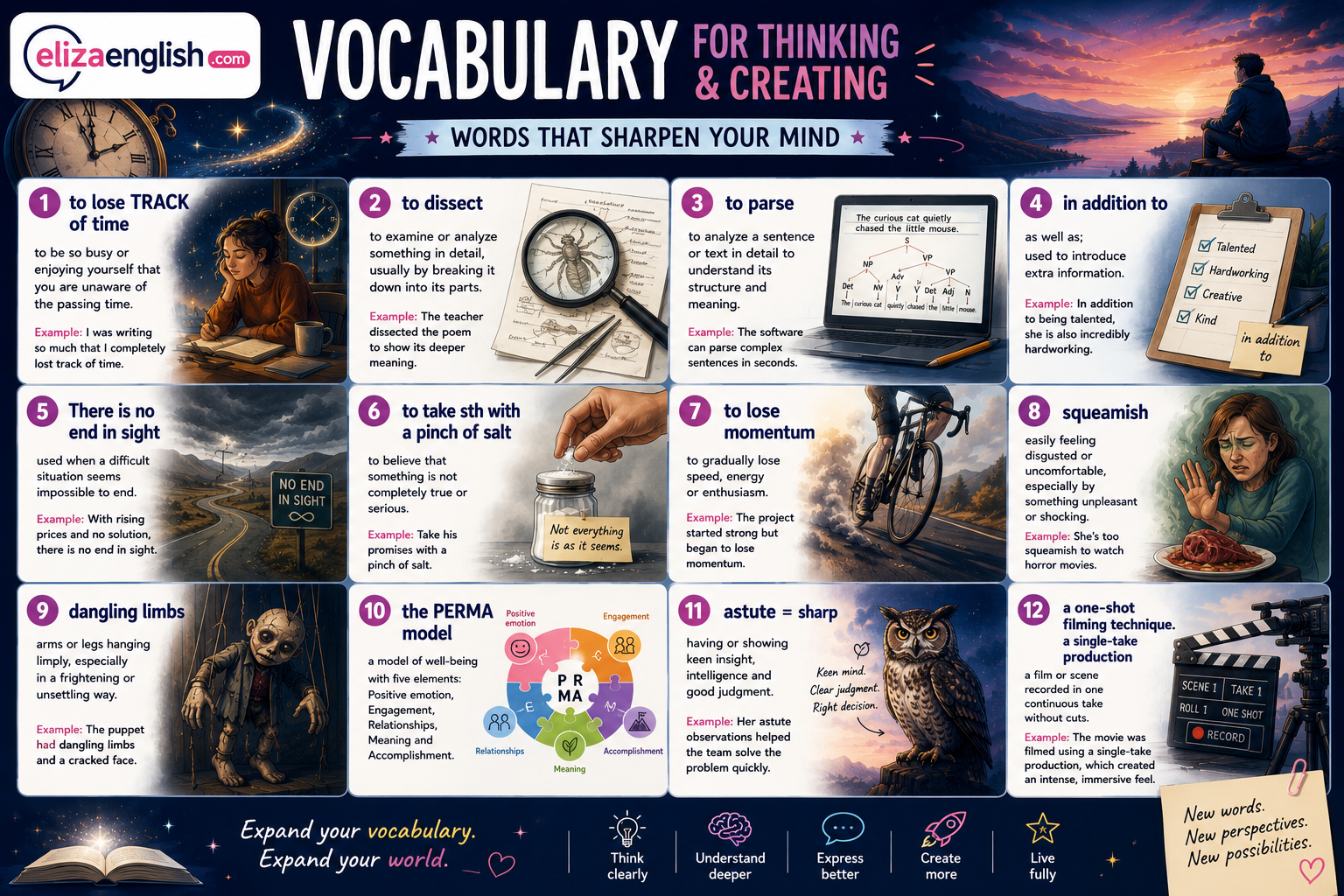
This might be my favourite AI trick.
At the end of every lesson, I collect useful expressions, corrections, and interesting words that naturally emerged during our conversation. Instead of sending students a boring list, I ask ChatGPT to transform them into colourful visual revision sheets.
Because the vocabulary comes directly from the student’s own mistakes and successes, it’s incredibly relevant. Students often tell me they keep these images on their phones and revisit them during the week.
It’s personalised learning at its best, and AI makes the whole process manageable.
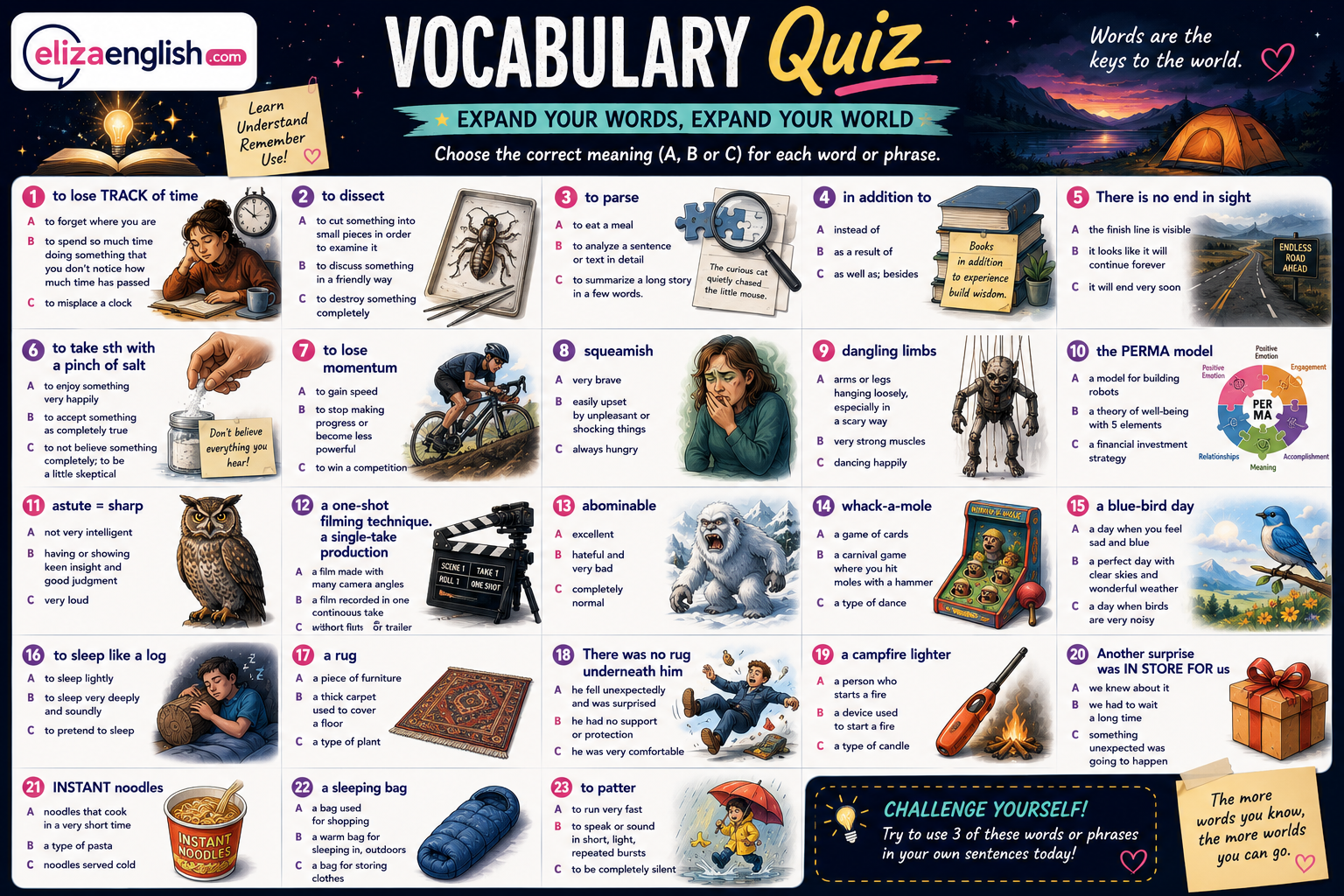
Recently, I’ve started taking things a step further.
Instead of simply creating vocabulary lists, I ask ChatGPT to generate mini quizzes and lesson summary worksheets. These might include pronunciation tasks, vocabulary practice, grammar exercises, error correction, or short revision activities based on what we’ve covered.
I won’t pretend it’s effortless. During the lesson, I’m constantly jotting down useful language and common mistakes. Afterwards, I quickly feed everything into ChatGPT and write a prompt for the worksheet.
It takes extra effort, but the payoff is worth it. Students are more motivated, more engaged, and much more likely to remember what we’ve done.
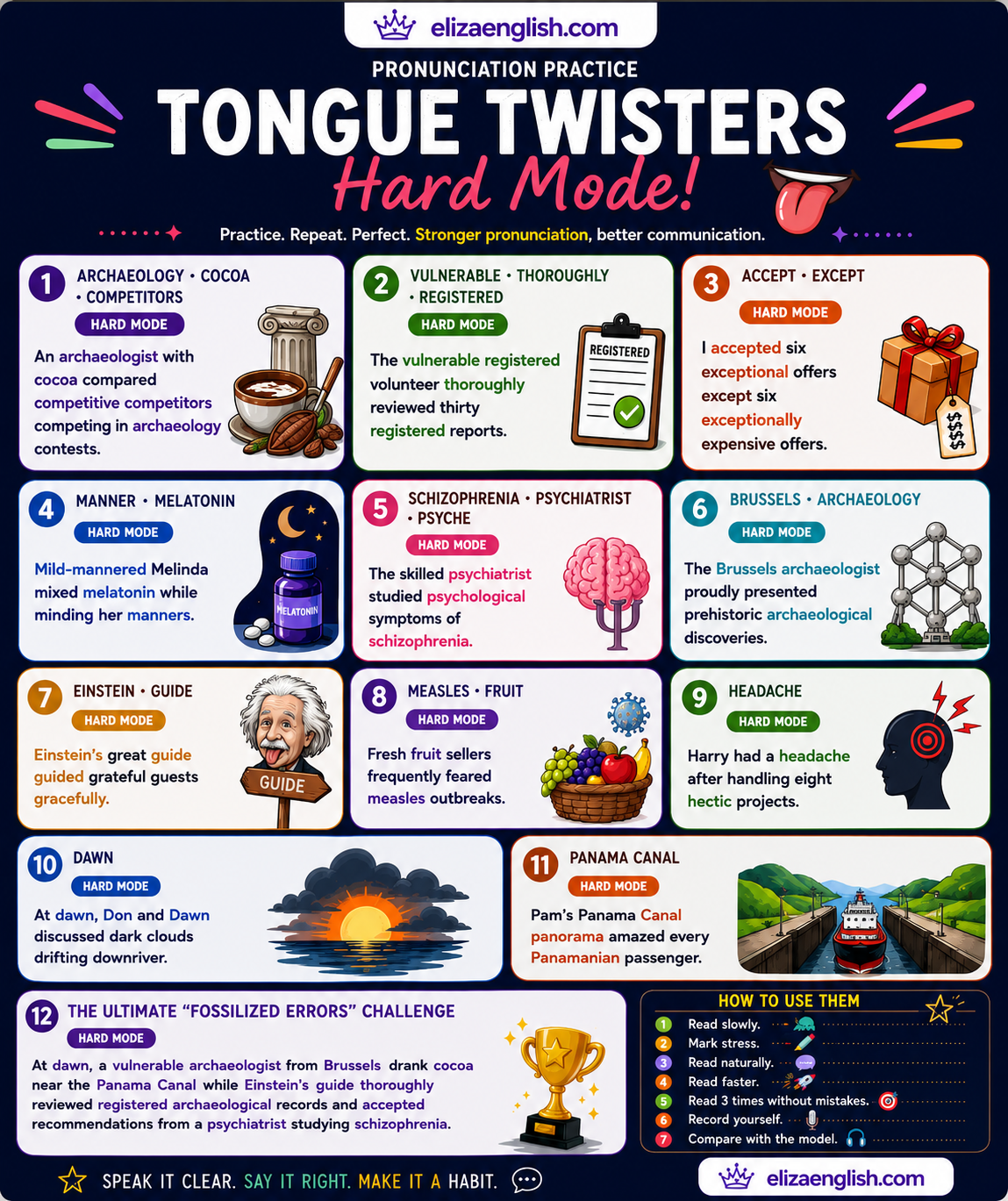
Every teacher has students who keep making the same pronunciation mistakes.
Instead of drilling isolated words, I collect the troublesome vocabulary and ask ChatGPT to create tongue twisters, funny stories, and reading texts packed with those sounds.
Suddenly, pronunciation practice becomes much less repetitive and much more effective.
The same idea works for grammar and vocabulary. Rather than assigning generic exercises, I can create homework that targets one student’s specific needs.
The biggest surprise for me hasn’t been that ChatGPT saves time.
It’s that it helps me personalise my teaching in ways that simply weren’t practical before.
The AI doesn’t replace my experience, my judgement, or my relationship with my students. It simply handles some of the heavy lifting, leaving me with more energy to focus on what matters most: the people in front of me.
And if there’s one thing I’ve learned from experimenting with AI in the classroom, it’s this.
The best use of ChatGPT isn’t getting it to teach your lessons.
It’s getting it to help you become an even better teacher.
If you’d like to move beyond the basics and learn how to use AI confidently in your own lessons, I also offer practical teacher training for English teachers. In my workshops, you’ll discover ready-to-use prompts, time-saving strategies, and creative ways to integrate AI into lesson planning, materials creation, vocabulary practice, homework, and much more, all while keeping the human element at the heart of your teaching. My goal is simple: to help you work smarter, save time, and create lessons your students will remember.
Learn how to improve working memory for English learning with practical exercises to remember vocabulary, process spoken English, and speak more fluently.
Learn 10 common English sentence patterns to improve fluency, build natural sentences, and speak with confidence. Includes practical examples, grammar tips, and exercises for B1–C1 learners.
AI is disrupting jobs, careers and the world of work. Explore AI job displacement, changing skills, freelance work, AI adoption and practical ways to leverage AI without losing your human advantage.
Join the list for printable worksheets, free resources, and articles for English teachers.